Erosion Control Installation in Honolulu, HI
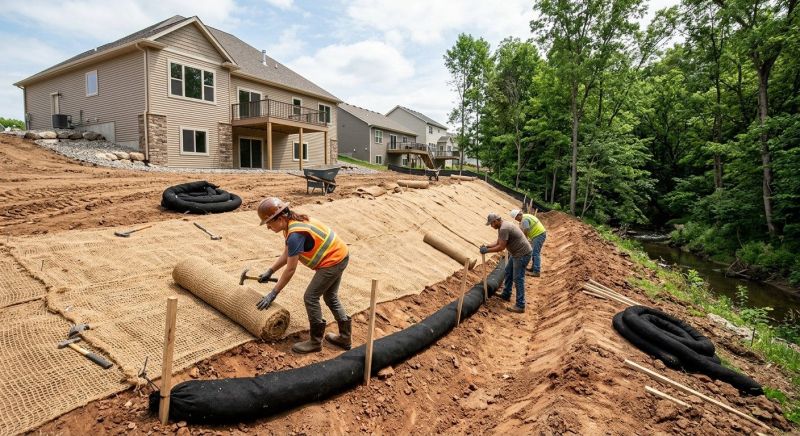
Erosion control installation involves implementing measures to prevent soil loss and protect the landscape from the effects of water runoff, wind, and other natural forces. This service is commonly used for projects such as hillside stabilization, shoreline protection, garden beds, and construction site management. Property owners typically seek erosion control to safeguard their land, maintain landscape integrity, and prevent damage caused by heavy rains or stormwater flow.
Before requesting erosion control services, property owners should consider the specific conditions of their site, including soil type, slope, drainage patterns, and the extent of erosion issues. Understanding the scope of the project and desired outcomes can help determine the most suitable solutions, such as silt fences, retaining walls, ground covers, or other stabilization techniques. Proper planning ensures effective erosion prevention tailored to the unique needs of each property.
Many property owners in Honolulu, HI look into Erosion Control Installation for repairs, replacements, upgrades, and appearance-related improvements.
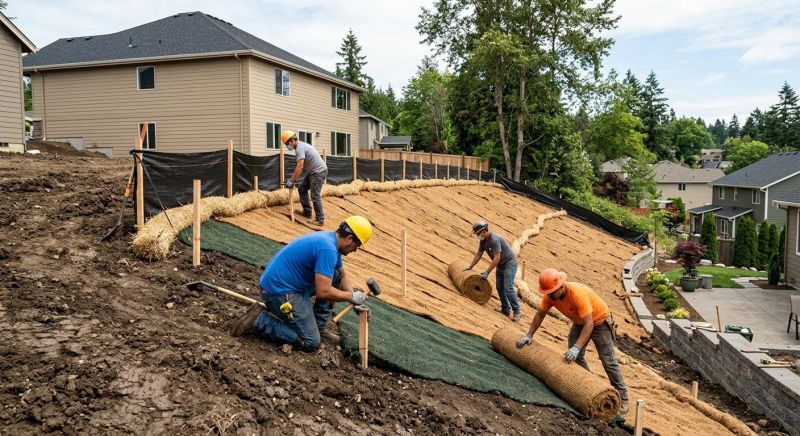
Preventing Soil Erosion
Erosion control solutions help protect slopes and landscaped areas from runoff damage.
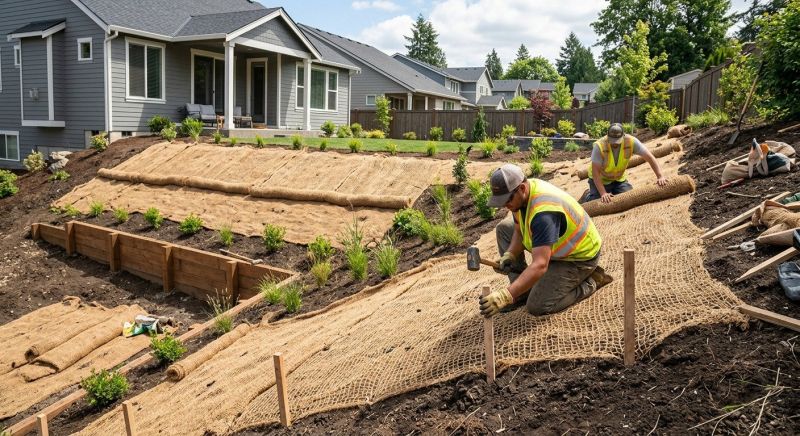
Slope Stabilization Methods
Various techniques are used to secure hillside properties and prevent landslides or washouts.
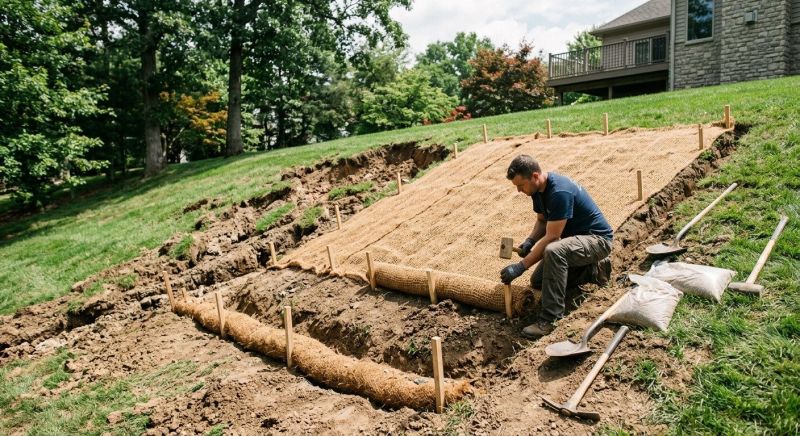
Drainage And Sediment Control
Proper installation manages water flow to minimize erosion and sediment buildup on residential and commercial sites in honolulu.
Erosion Control Installation in Honolulu, HI
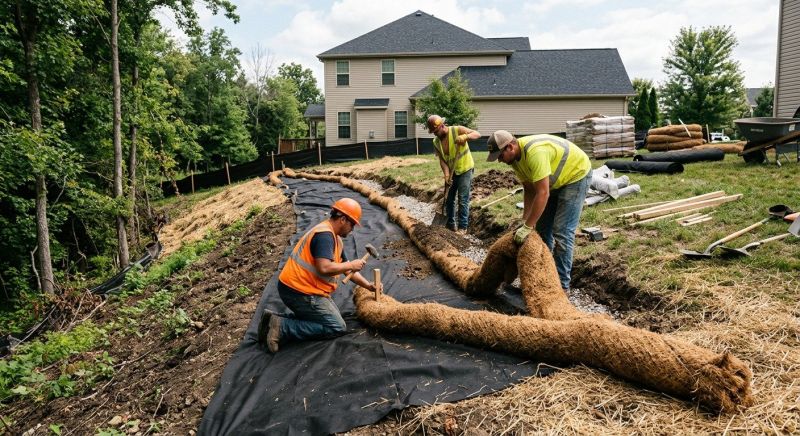
Erosion control installation involves implementing measures to prevent soil loss and protect the landscape from the effects of water runoff, wind, and other natural forces. This service is commonly used for projects such as hillside stabilization, shoreline protection, garden beds, and construction site management. Property owners typically seek erosion control to safeguard their land, maintain landscape integrity, and prevent damage caused by heavy rains or stormwater flow.
Before requesting erosion control services, property owners should consider the specific conditions of their site, including soil type, slope, drainage patterns, and the extent of erosion issues. Understanding the scope of the project and desired outcomes can help determine the most suitable solutions, such as silt fences, retaining walls, ground covers, or other stabilization techniques. Proper planning ensures effective erosion prevention tailored to the unique needs of each property.
Many property owners in Honolulu, HI look into Erosion Control Installation for repairs, replacements, upgrades, and appearance-related improvements.
Common Erosion Control Installation Jobs
Silt Fence Installation - helps prevent soil erosion on construction sites and new landscaping projects.
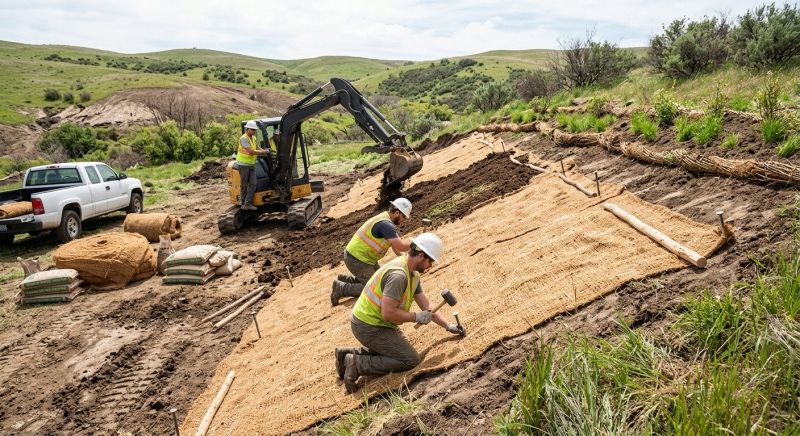
Mulch and Matting Placement - stabilizes soil and reduces runoff on slopes and bare soil areas.
Riprap and Rock Armor - protects shorelines and drainage areas from water erosion.
Vegetative Erosion Control - involves planting ground cover to hold soil in place and reduce runoff.
Drainage Channel Installation - directs water flow away from vulnerable areas to prevent erosion damage.
Sediment Basin Construction - captures sediment and runoff to minimize soil loss during construction activities.
Erosion Control Installation Questions
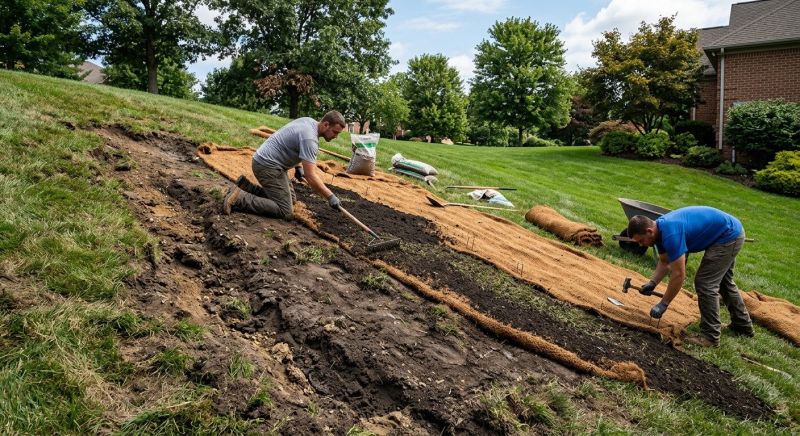
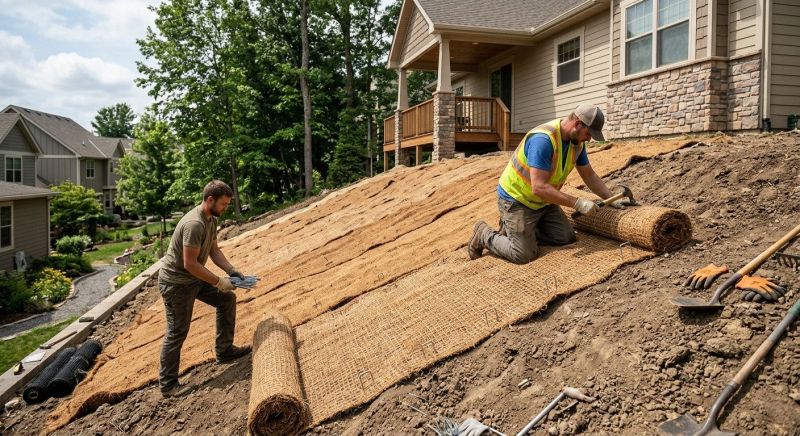
What is erosion control installation? It involves implementing measures to prevent soil erosion on properties, especially on slopes or disturbed areas.
What types of erosion control methods are used? Common methods include silt fences, erosion control blankets, and retaining walls to stabilize soil.
When is erosion control installation needed? It is typically required during landscaping, construction, or after land clearing to protect the soil.
How does erosion control benefit property owners? It helps maintain land stability, prevents sediment runoff, and preserves the landscape’s appearance.
Request Erosion Control Installation in Honolulu, HI
Use the quote form on this page to share the basics of your project and request more information for the type of work you need.